Wellness Tips
Why More People Are Choosing Wellness Retreats Instead of Traditional Holidays
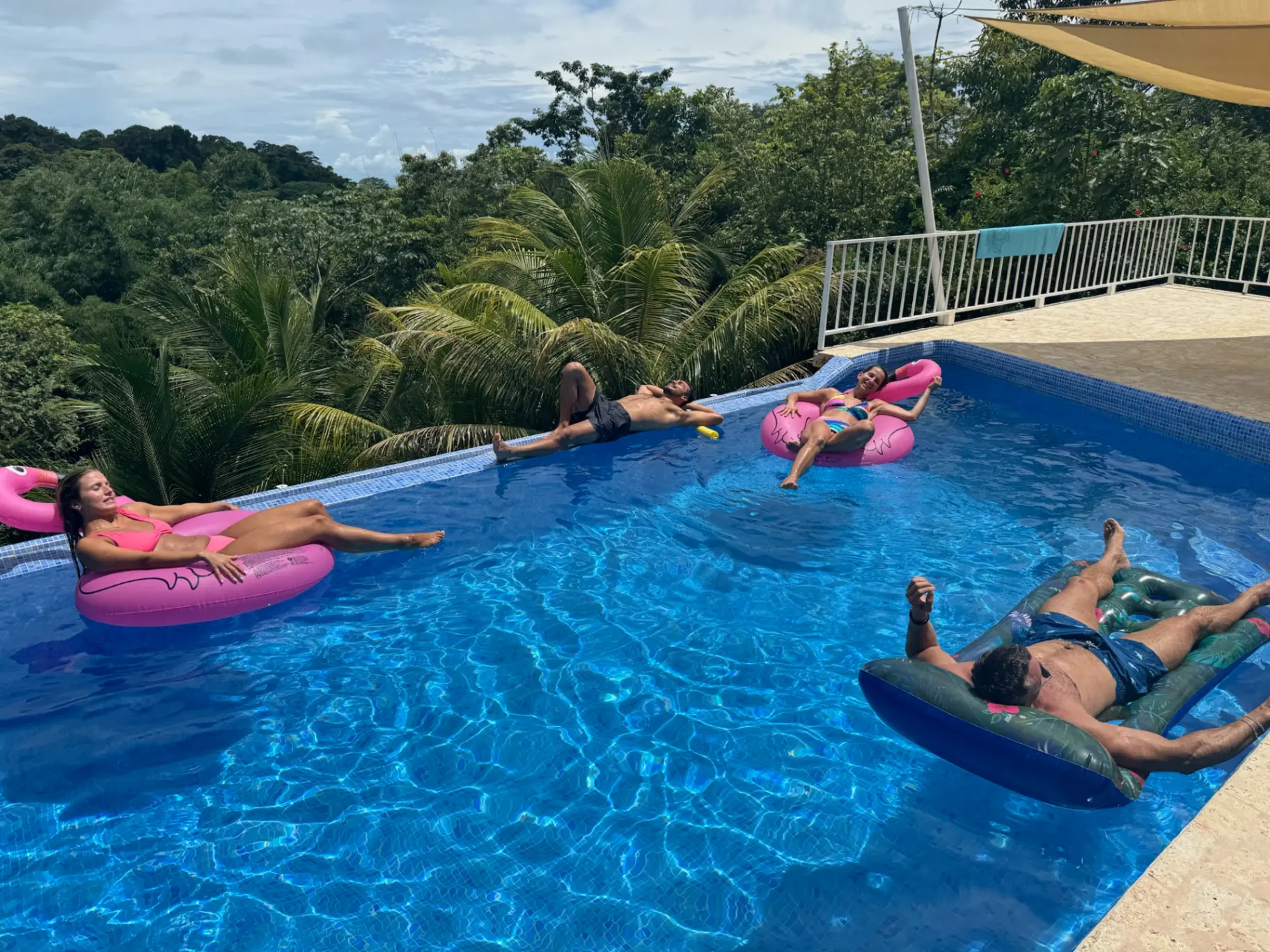
Photo from the 17-Day All-Inclusive 200-Hour Yoga Teacher Training in Quepos, Costa Rica.
✓ Key Takeaways
- •Global wellness tourism spending hit $894 billion in 2024, up 13.8% year over year, according to the Global Wellness Institute
- •The core difference from a regular holiday is intention: how you want to feel by the end, not just where you went
- •Most guests arrive solo and leave with real friendships, built over shared meals and activities with strangers
- •Beach resorts and city breaks aren't going anywhere, people are just picking trip types based on what a given year actually calls for
- •Remote work has split travelers two ways: some blend work into longer stays, others use retreats to disconnect completely
For decades, the idea of a holiday was simple. You book a hotel, spend a week by the pool, visit a few attractions, and return home feeling rested. While this type of travel is still popular, many people want something different. More travelers are now choosing experiences that make them feel not only relaxed but also healthier, more connected, and mentally refreshed. This change has driven the fast growth of the wellness retreat industry. Around the world, places famous for nature, mindfulness, and healthy living are inviting travelers who seek more than just sightseeing. They want to return home feeling better than when they arrived.
What Makes a Wellness Retreat Different from a Regular Holiday
A wellness retreat is not about luxury or a specific location. It is about intention. Instead of cramming each day with activities and lengthy sightseeing plans, the goal is to create time to relax. Yoga, meditation, healthy meals, nature, workshops, and breaks from daily routines often form the core of the experience.
For many travelers, that slower pace is exactly what draws them in. Modern life often makes it hard to disconnect. Emails pile up long after work ends, social media demands attention, and even vacations can turn into packed schedules. It is common for people to come back from a trip feeling just as exhausted as when they left.
A wellness retreat provides a different option. Instead of always figuring out where to eat, what to do next, or how to fill the day, much of the planning is done for you. This simplicity lets guests spend less time making choices and more time enjoying the moment.
A Wider Shift in How People View Health and Wellbeing
The rising interest in wellness travel shows a wider shift in how people view health. Physical wellbeing is now connected to mental and emotional wellbeing. Travelers are looking for experiences that support all three aspects. They seek movement, mindfulness, better sleep, nutritious food, or just more time spent outdoors.
As the travel industry changes, the popularity of wellness retreats reflects a growing number of people who are considering more than just hotel ratings and vacation photos. They are asking a different question: not just where they want to go, but how they want to feel when they come back.
Community and Connection as a Core Appeal
Community has become a key reason people pick a wellness retreat instead of a regular holiday. Traditional vacations usually focus on established relationships, like couples, families, or friends traveling together. Retreats, however, often gather people who have never met but share common interests.
That shared experience helps people connect better. Conversations flow easily over meals, during group activities, or while relaxing between sessions. Many guests come alone and leave with lasting friendships.
The Growing Preference for Meaningful Travel
Another factor is the increasing preference for meaningful travel. Instead of just visiting destinations or checking landmarks off a list, many travelers now appreciate experiences they can engage in. Learning about local traditions, joining workshops, exploring nature with skilled guides, or building a new daily habit often creates stronger memories than just going to another tourist spot.
This does not mean traditional holidays are losing their significance. Beach resorts, city breaks, cruises, and sightseeing tours still draw millions of visitors each year. The difference is that many people now select different types of travel based on their needs at specific moments in life.
How Remote Work and Personal Priorities Are Reshaping Travel Choices
Someone celebrating a honeymoon may prefer a luxury resort. In contrast, another person recovering from a stressful time at work may look for quiet surroundings, healthy routines, and time away from constant distractions. Travel has become more personal, and expectations have changed with it.
The rise of remote work has also influenced this trend. With more flexibility, some travelers combine work with longer stays. Others use vacations to create a clear break from their digital lives. Retreats that promote limited screen time, structured daily routines, or immersion in nature attract those seeking balance.
For many, the answer points to experiences that focus on wellbeing, connection, and personal renewal. Instead of just getting away from daily life for a few days, they seek vacations that have a lasting impact long after the trip ends.