Wellness Tips

Do You Have to Be Good at Yoga to Join a Retreat?
📅 January 24, 2026 ⏰ 5 min read
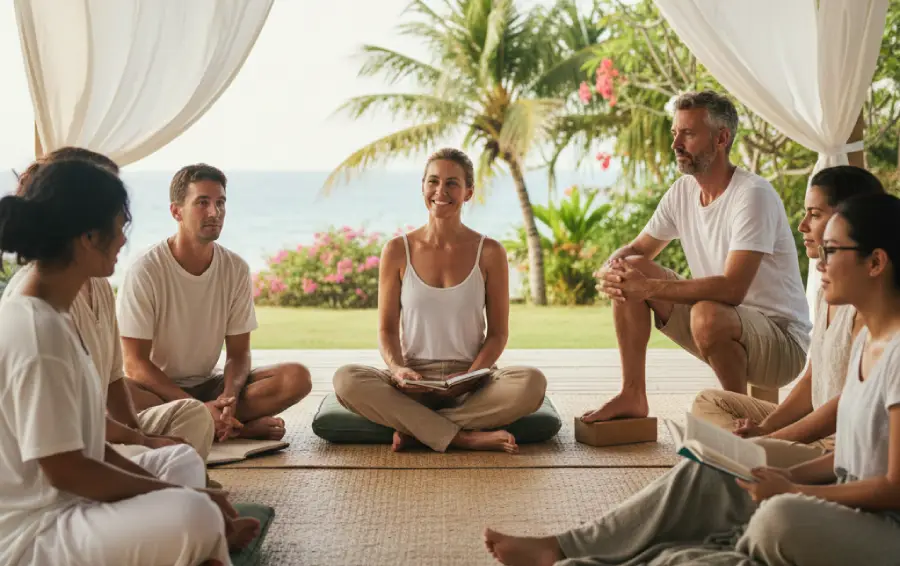
Beginner practising a gentle yoga pose at a welcoming retreat setting

✓ Key Takeaways

  • You do not need any prior yoga experience to attend most retreats
  • Flexibility is a result of practice, not a prerequisite for it
  • Quality retreats use props, modifications, and tiered instruction as standard
  • The beginner's mindset is genuinely valued in yogic tradition
  • Hatha and restorative yoga retreats are the most accessible entry points

There is a specific hesitation that stops a lot of people from booking a yoga retreat: the belief that everyone else will be more flexible, more disciplined, and more serene than they are. The honest answer is that this belief, while understandable, is based on a misunderstanding of what a yoga retreat actually is.

The Misconception About Mastery at a Yoga Retreat

In 2026, the wellness travel landscape has moved decisively away from performance. A yoga retreat is not an audition. The physical practice is a tool - a way of arriving in your body so that the deeper work of rest, reflection, and nervous system regulation can happen. Whether you can touch your toes has nothing to do with your capacity to benefit. For more on the specific benefits of yoga retreats for stress relief, that guide covers what beginners can realistically expect.

The most honest version of this: a person who has never done a yoga class in their life but shows up with genuine curiosity will often get more out of a retreat than a seasoned practitioner who spends the whole week comparing themselves to others.

"Yoga is not about touching your toes. It is about what you learn on the way down."

Inclusivity by Design at Yoga Retreats

Quality retreats are structured to work across a range of experience levels. Standard features include tiered instruction (multiple options offered simultaneously for the same pose), extensive use of props such as blocks, bolsters, and straps, and what is sometimes called an opt-out culture - participants are always encouraged to rest in Child's Pose or simply lie down rather than push into discomfort.

Good retreat teachers will check in with new participants before sessions begin, ask about injuries or areas of sensitivity, and adjust their verbal cuing accordingly. If you are a beginner, you are expected - and you are welcome.

Why the Beginner Mindset Is an Asset at a Yoga Retreat

In yogic tradition, beginner's mind - the Zen concept of shoshin - is actively cultivated even by senior practitioners. Without the performance pressure that comes with experience, beginners often drop into a quality of presence and genuine curiosity that is harder for advanced practitioners to access. The mat becomes a place of discovery rather than a place of demonstration.

Without the habit of doing a pose a certain way, beginners are often more willing to try adjustments, listen to their body honestly, and let go of results. That is, ironically, closer to the heart of what yoga is for than any advanced posture. If you want a first-person account, the story of what a wellness retreat for beginners actually looks like covers the experience from arrival to departure.

Choosing the Right Yoga Retreat Style as a Beginner

If you are new to yoga and choosing a retreat, the two most accessible styles are Hatha yoga - which is slower-paced, alignment-focused, and emphasizes conscious breathing - and restorative yoga, which uses props extensively and involves long, passive holds designed to trigger the parasympathetic nervous system. Both are appropriate for complete beginners and deliver real results without requiring physical conditioning.

Avoid Ashtanga, Power Vinyasa, or Hot Yoga retreats for your first experience. They are physically demanding and less suited to the nervous system recovery that most first-time retreat goers are actually seeking. For a practical walkthrough of your first days, read about your first yoga and meditation retreat.

Frequently Asked Questions

Yes. Many yoga retreats are specifically designed for beginners, and the majority of mixed-level retreats actively welcome people with little or no experience. You do not need to be able to touch your toes or hold a pose for more than a few breaths.
No. Flexibility is an outcome of yoga practice, not a prerequisite for it. Props, modifications, and tiered instruction are standard at every quality retreat. Starting stiff is entirely normal - and often means you have more to gain.
Most retreat environments are deliberately non-competitive. Experienced practitioners are often the ones most aware that beginner's mind is an asset. The vast majority of first-time retreat goers say they felt welcome from day one.
Hatha yoga or restorative yoga retreats are the most accessible starting points. Both emphasize slow pace, alignment, and mindful breathing over physical intensity. Avoid Ashtanga, Power Vinyasa, or Hot Yoga for your first retreat.
You rest in Child's Pose, use a prop, or take the modification the teacher offers - all of which are actively encouraged. Quality retreat teachers build opt-out moments into every session. There is no expectation to perform, and no one is watching you with judgment.
For a Hatha or restorative retreat, no specific fitness level is required. You should be able to move between lying down, seated, and standing positions comfortably. If you have any injuries or chronic conditions, notify the retreat team before arrival - they will accommodate.
Yes - Hatha is the ideal starting style for most beginners. It moves slowly, focuses on alignment over speed, uses clear verbal instruction, and does not require prior experience. Most beginner-friendly retreats teach Hatha as their primary style for exactly this reason.
Yin yoga and restorative yoga are the most accessible styles for complete beginners. Both involve long holds in supported, floor-based positions with little to no strength requirement. Gentle Hatha is also excellent for first-timers. Avoid Power yoga, Ashtanga, or hot yoga as a starting point: these require baseline strength, flexibility, or heat tolerance that beginners often do not yet have. A good beginner retreat will offer Yin, gentle Hatha, or restorative sessions in the mornings or evenings.
Progress at a yoga retreat is faster than at a weekly class because you are practicing two to three times per day in an immersive environment. Most beginners notice real flexibility improvements within the first three to four days of daily practice. Strength gains take longer, typically two to four weeks of consistent practice. More importantly, a retreat gives you a clear foundation: you will leave knowing what type of yoga suits your body and how to continue at home.
Restorative yoga is one of the most effective retreat practices for people who are burned out, exhausted, or dealing with chronic stress. It activates the parasympathetic nervous system through long-held, fully-supported poses. Unlike active yoga styles, restorative sessions are designed to release rather than challenge. Many wellness and yoga retreats include restorative sessions in the late afternoon or evening as part of a balanced daily schedule.

Explore Related Retreats

Yoga Retreats Retreats for Beginners Hatha Yoga Retreats

Further Reading

Your First Yoga and Meditation Retreat Yoga Retreats for Stress Relief Wellness Retreats for Beginners