✓ Key Takeaways
- •Wellness retreats are structured around restoration and transformation, not just relaxation
- •Research shows retreat participants experience significant reductions in stress that persist weeks after returning home
- •First-timers do best with 5-8 day programs before committing to longer immersions
- •Cost ranges from $400 for budget options in Southeast Asia to $7,000+ for premium multi-week programs
- •The facilitator's credentials and experience matter more than the location alone
- •Bali, Peru, and Spain each offer exceptional and very different wellness retreat experiences in 2026
There is a moment most people recognise: the Sunday evening dread before another work week, the persistent fatigue that a long weekend cannot fix, the quiet sense that life has become a series of obligations with very little room to breathe. For a growing number of people, wellness retreats have become the answer.
Unlike a standard holiday, wellness retreats are designed with one purpose in mind: to help you feel genuinely better. Not just rested, but reconnected to yourself. Over the past decade, wellness retreats have moved from a niche concept associated with spa resorts and spiritual seekers into a mainstream category of travel sought out by everyone from burned-out executives to curious first-time meditators.
This guide answers the questions people ask most often before booking their first wellness retreat, from what actually happens on one to how much it will cost you. It also highlights three exceptional wellness retreats currently available on Retreator.com.
What Do You Do on a Wellness Retreat?
This is often the first question people ask, and understandably so. The term wellness retreat is broad, and the experience varies considerably depending on the type of retreat you choose. That said, most wellness retreats share a common structure: a curated daily schedule, guided practices, meaningful nourishment, and an environment deliberately designed to support recovery and reflection.
On a typical day at a wellness retreat, you might find yourself waking early for a guided meditation or a sunrise yoga session. Meals are often plant-based, freshly prepared, and eaten mindfully rather than in haste. Afternoons may include workshops on breathwork, journaling, nature walks, sound healing, or bodywork sessions such as massage or energy work. Evenings tend to be quieter, with group discussions, restorative practices, or simply time to sit in stillness.
Some wellness retreats are built around a single discipline. A yoga retreat in Bali, for instance, might structure every day around morning and evening practice, with cultural activities woven in between. A mindfulness retreat in rural Spain might combine sitting meditation with inquiry-based sessions, communal meals, and periods of intentional silence. Others take a more integrative approach, layering yoga, breathwork, emotional healing, and spiritual ceremony into a single immersive experience.
What all of these have in common is that the day is shaped for you. You are not managing a packed itinerary or making constant decisions. The thinking is done. Your only job is to show up and participate.
Are Wellness Retreats Worth It?
This question tends to arise once people see the price. And it is a fair one. A wellness retreat is not an inexpensive commitment, and the value can feel abstract until you have experienced one.
The short answer, for most people who go in with genuine openness, is yes.
Research consistently points to the benefits of retreats on the body and mind. A study published in the Journal of Alternative and Complementary Medicine found that retreat participants showed significant reductions in perceived stress and anxiety, with benefits that persisted weeks after returning home. Separately, studies on mindfulness-based interventions demonstrate measurable improvements in sleep quality, emotional regulation, and overall sense of wellbeing.
Beyond the research, the lived experience tends to speak for itself. People frequently describe wellness retreats as inflection points: moments that brought them clarity on a decision they had been avoiding, helped them break a pattern that was not serving them, or simply gave them the depth of rest they had not achieved in years.
The value of a wellness retreat is not simply relaxation. It is the combination of an intentional environment, expert guidance, community, and time away from the noise of ordinary life. Those elements together tend to produce something a hotel pool and room service cannot replicate.
That said, a wellness retreat is what you make of it. Going in distracted, resistant, or disengaged will limit what you take away. Approaching it with a degree of openness and curiosity tends to make the investment feel very worthwhile.
What Is the Difference Between a Wellness Retreat and a Vacation?
A vacation is primarily about pleasure and escape. You choose your own schedule, you eat and drink what you want, you sleep in, and you return home reasonably refreshed. There is nothing wrong with that. It serves a real purpose.
Wellness retreats, by contrast, are structured around transformation or restoration. The goal is not just to feel good in the moment but to address something more fundamental: chronic stress, disconnection from the body, lack of clarity, emotional depletion, or the desire to build a new practice from scratch.
A few practical differences worth noting:
- Schedules. Vacations are unstructured by design. Wellness retreats follow a daily programme, usually with early starts and activities that require genuine engagement.
- Nourishment. On a vacation, food is often indulgent. On a wellness retreat, meals are typically plant-based, alcohol-free, and chosen to support the practices happening each day.
- Technology. Many wellness retreats encourage or require stepping away from phones and screens, at least partially. This alone is an experience most people find confronting and then deeply restorative.
- Community. Vacations are often taken with existing social groups. Wellness retreats frequently bring together strangers who, by the end, feel like old friends. The shared vulnerability of doing inner work creates a particular quality of connection.
- Intention. A vacation is an escape from something. A wellness retreat is a movement toward something.
Neither is superior. But they serve different needs. If what you need is rest and a change of scenery, take a holiday. If what you need is reset, clarity, or a meaningful shift in how you feel, a wellness retreat is the better choice.
What Is the Average Cost of a Wellness Retreat?
The range is wide, which can make pricing confusing when you start researching. Wellness retreats can cost anywhere from a few hundred euros for a weekend programme in your home country to several thousand dollars for an immersive multi-week experience abroad.
As a general guide:
- Budget wellness retreats (3 to 5 days): $400 to $900 per person, typically in lower-cost countries such as Indonesia, India, or Central America, or shorter domestic programmes.
- Mid-range wellness retreats (5 to 10 days): $1,000 to $2,500 per person. These often include accommodation, facilitated programmes, and meals in destinations across Europe, South America, or Southeast Asia.
- Premium wellness retreats (7 to 21 days): $2,500 to $7,000 or more per person, encompassing comprehensive programmes, expert teachers, remote or high-demand locations, and full board.
Price is influenced by several factors: the length of the programme, the experience and credentials of the facilitators, the location and accommodation standard, the size of the group, and what is included. A retreat that covers accommodation, all meals, daily sessions, and airport transfers will naturally cost more than one where you arrange your own food and travel.
It is also worth considering what a retreat replaces. If you were planning a week-long holiday anyway, some of the cost is already budgeted for. And the value you come home with, in terms of tools, perspective, and restored energy, often has a lasting impact on your productivity and quality of life.
How Do I Choose a Wellness Retreat?
With hundreds of options available, the process of choosing a wellness retreat can feel overwhelming. A few clear questions will help narrow it down considerably.
Start with your intention
Why are you going? Are you burned out and in need of deep rest? Curious about yoga or meditation and ready to go deeper? Looking to process something emotionally? Hoping to make a meaningful life change? Your answer will shape everything else. A yoga teacher training in the Peruvian Andes is a very different experience from a silent mindfulness retreat in the Spanish countryside, even though both fall under the label of wellness retreats.
Consider the duration and timing
First-time retreat-goers often do well starting with a shorter programme, somewhere between five and eight days. It is long enough to genuinely settle in and feel the benefits, but not so long that the commitment feels intimidating. If your schedule or budget is limited, a weekend retreat is a perfectly legitimate starting point.
Choose your setting
Environment has a significant effect on experience. Mountains, forests, ocean, countryside: each carries its own quality. Think about where you genuinely feel restored by nature and let that guide you. It also helps to consider proximity. Long-haul travel to a retreat is possible and often wonderful, but factor in the jet lag and travel time when planning your recovery.
Check the facilitator's credentials
The quality of a wellness retreat depends enormously on the people leading it. Look for teachers who have trained formally, have been practicing for a number of years, and who communicate authentically about their approach. Read reviews from past participants. Transparency about the facilitator's background is usually a good sign.
Match the retreat to your level
Some wellness retreats are designed for complete beginners. Others assume a baseline of experience with yoga, meditation, or plant medicine. Most listings are clear about this. If you are new to the practice, choose something explicitly welcoming to beginners and save the advanced programmes for when you have built a foundation.
Look at the practical details
Accommodation type, meal structure, group size, and what is and is not included all matter. A smaller group creates more opportunity for personalised attention. A plant-based kitchen signals a nutritional philosophy aligned with the programme. Whether or not alcohol is available may matter to you. Read the listing carefully and ask questions before booking.
Featured Wellness Retreats on Retreator
Retreator curates wellness retreats from hosts around the world, making it straightforward to compare programmes, check availability, and book directly with the retreat organiser. Below are three wellness retreats currently listed on Retreator that stand out for their quality, setting, and approach.
7-Day Solo Traveler's Yoga Retreat | Bali, Indonesia
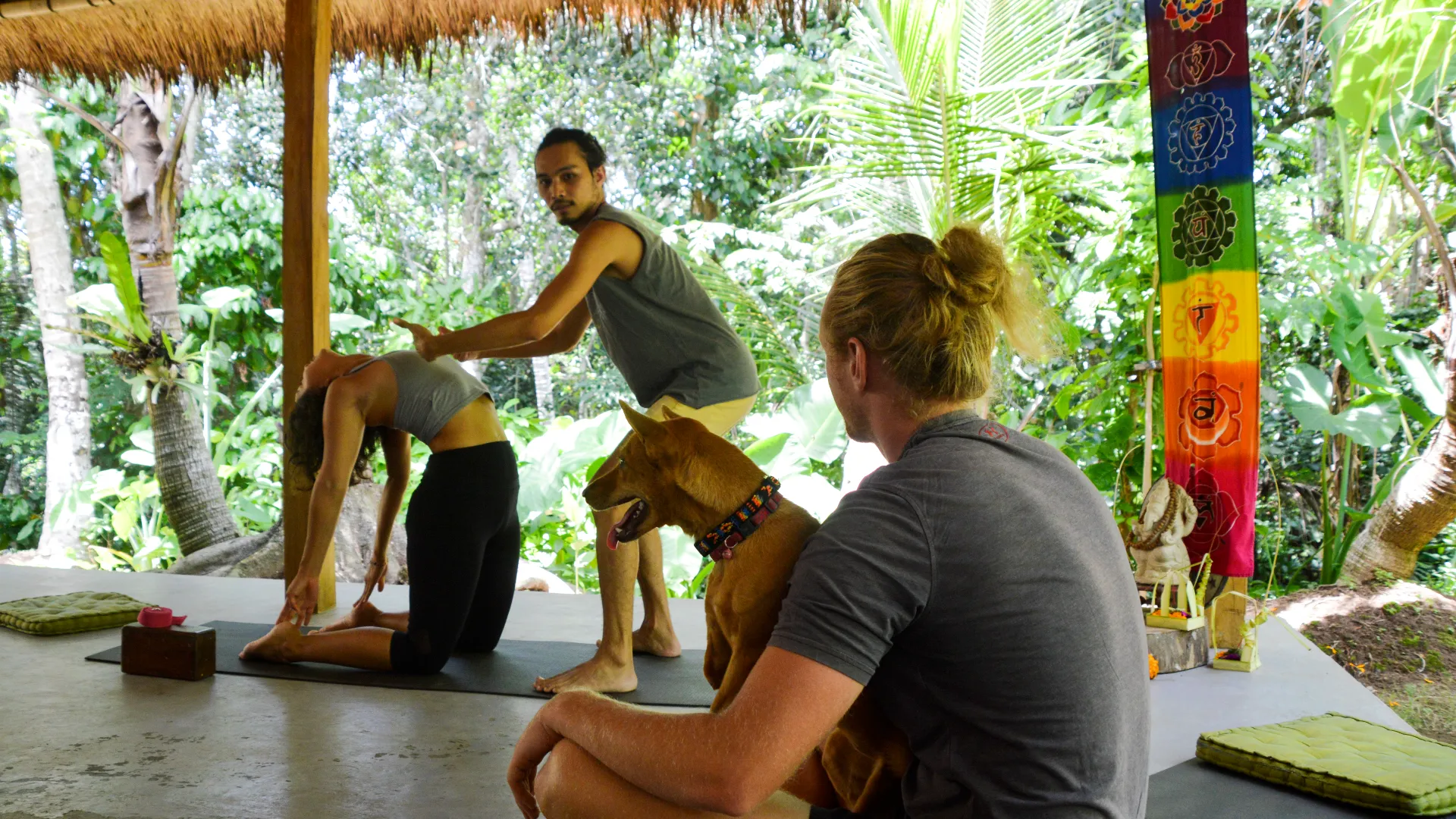
Ubud, Bali, Indonesia | 7 days | Starting from 350 EUR per person
Bali has long been one of the world's most beloved destinations for wellness retreats, and Firefly Retreat in Ubud captures exactly what makes this island so compelling. Nestled in the heart of rice paddies, a 25-minute walk from the centre of Ubud, this is a retreat designed around community, accessibility, and genuine rest.
What makes this particular retreat distinctive is its structure for solo travellers. Everyone arrives on the same day and moves through the entire programme together, which means no one navigates the experience alone. All meals and daily activities are arranged, so participants can simply arrive and allow the day to unfold.
The daily schedule is well-balanced. Sunrise yoga opens each morning, with sunset yoga and meditation closing the day. Between those anchors, the programme weaves in Balinese cultural experiences: canang making (traditional offerings), Jamu preparation (herbal medicine), a Balinese cooking class, medicinal tea tasting, and chocolate making. There is also a choice of a Balinese excursion or a sound healing session at the Pyramids of Chi.
The venue itself is simple and comfortable, with an infinity swimming pool, a bamboo-roofed yoga shala, and a communal dining area. The retreat is bordered by a river at the back and rice paddies at the front. This is not a luxury spa experience; it is a genuinely immersive escape into the natural rhythms of Balinese life.
All levels are welcome, from complete beginners to experienced practitioners. Group size is capped at 15, keeping the experience intimate.
- Duration: 7 days
- Location: Ubud, Bali, Indonesia
- Starting from: 350 EUR per person (shared room)
- Levels: All levels welcome
Yoga Teacher Training: Vedic and Andean Wisdom with Master Plants | Peru
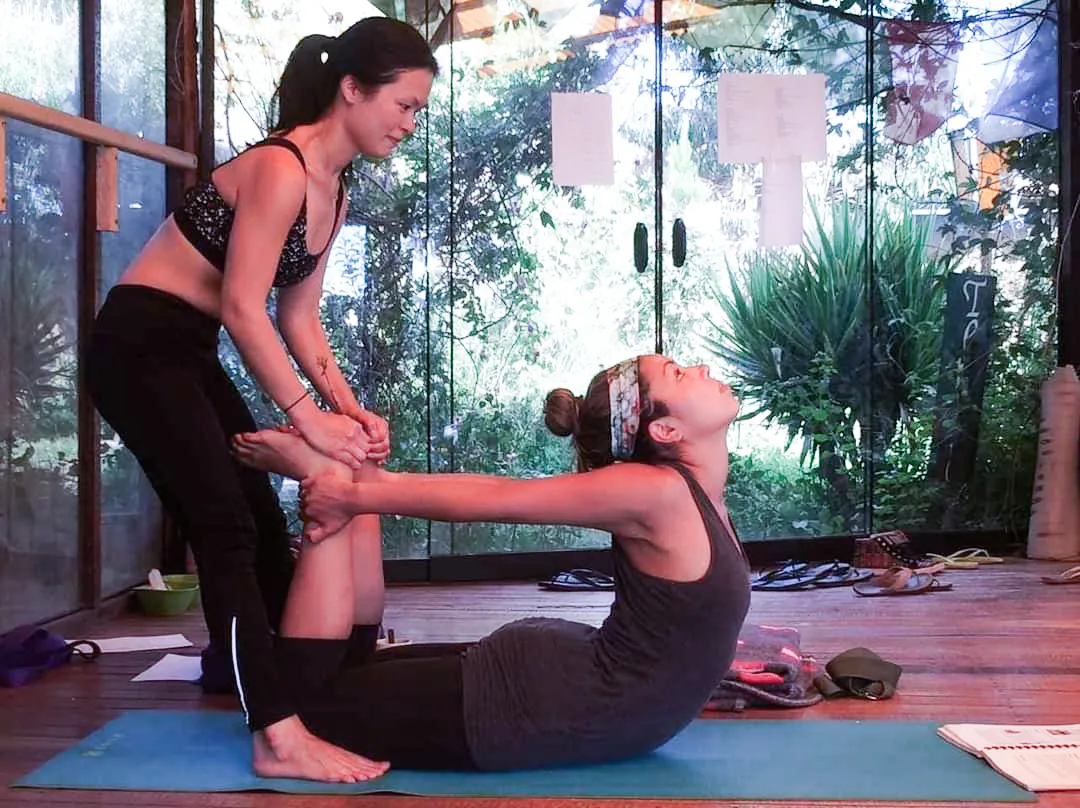
Sacred Valley, Cusco, Peru | 21 days | Starting from 2,450 USD per person
For those ready to go beyond a conventional retreat experience, this 21-day yoga teacher training in Peru offers something genuinely rare. Set in the sacred Andean village of San Salvador, surrounded by mountains and ancient Inca energy, the programme combines the rigour of a yoga teacher training with a depth of spiritual and cultural work that few courses attempt.
The training is led by Marisol Fajardo, known spiritually as Ananda Satya, an E-RYT 8000 teacher with over 26 years of experience. Her background spans Vinyasa Flow, alignment-based practice, pranayama, chakra work, Reiki (Levels I and II), energetic healing, spiritual channelling, and Vipassana meditation. She has trained in India and Nepal and has been a dedicated Vipassana practitioner since 2000. Her teaching style is grounded, heart-centred, and uncommonly honest.
The curriculum covers the full range of yoga teacher training content: sequencing and fluid movement in Vinyasa Flow, precise anatomical alignment, pranayama and meditation, emotional and energetic awareness, teaching methodology, and real practice sessions. Alongside this, participants engage in sacred ceremonies, ancestral rituals, and connections with the plant wisdom of the Andes.
"This is one of the wellness retreats that goes well beyond physical practice. Participants describe it as a process of genuine inner transformation: releasing old patterns, stepping into clearer self-understanding, and reconnecting with a sense of purpose."
Open to all levels, though a degree of physical fitness is recommended given the daily practice schedule and the altitude of the Sacred Valley. Three intake dates are available through the end of 2026, making it possible to plan a booking well in advance.
- Duration: 21 days
- Location: San Salvador, Sacred Valley, Cusco, Peru
- Price: 2,450 USD per person
- Levels: All levels (basic fitness recommended)
Living in the Present: Mindfulness Retreat | Spain
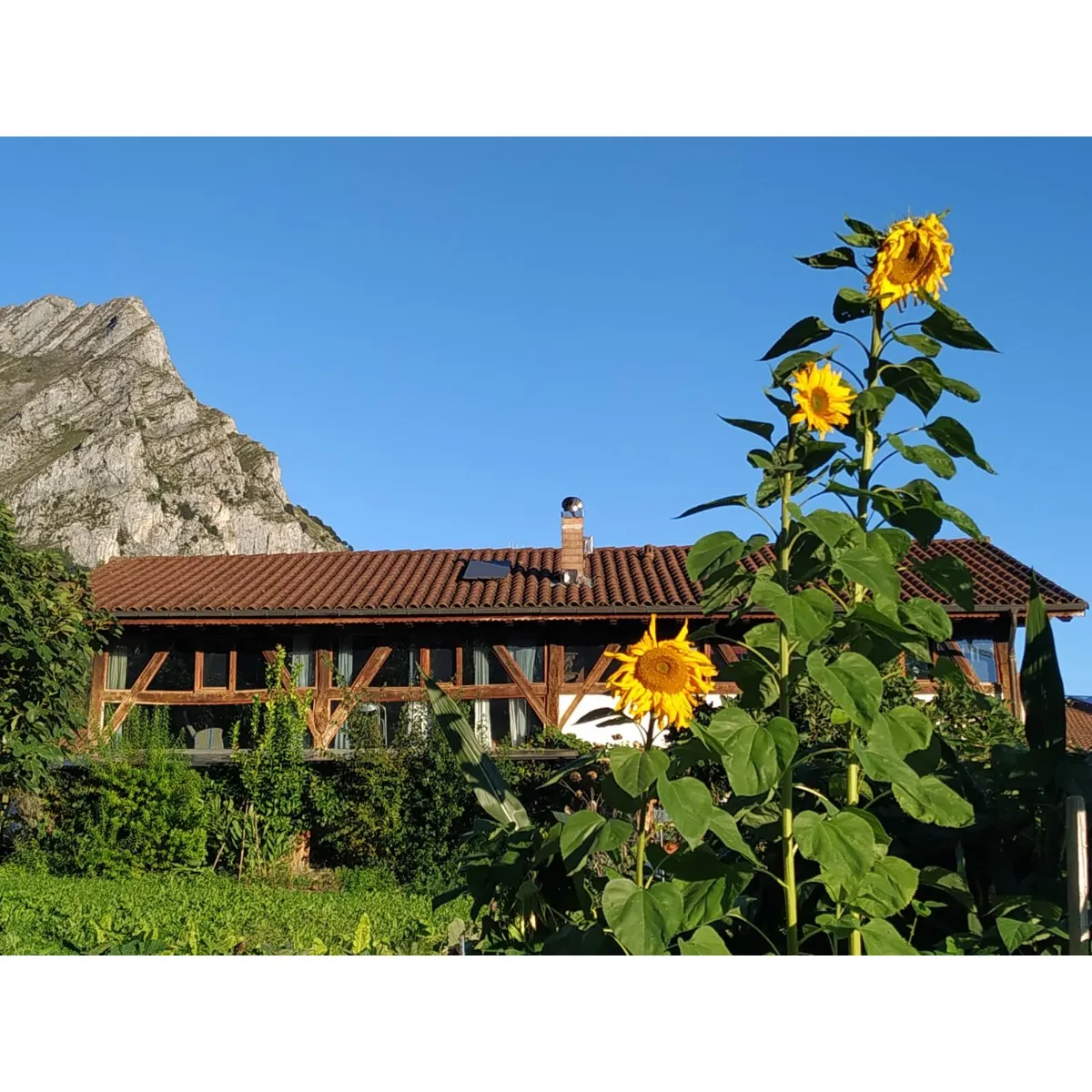
Gaintza, Navarre, Spain | 6 days | Starting from 950 GBP per person
Not all wellness retreats need to take you to the other side of the world. This six-day mindfulness retreat in the Navarrese countryside of northern Spain is a quietly powerful programme for anyone who wants to step back, slow down, and learn to be fully present.
The retreat is held at Perunea Gaintza, a sixteenth-century farmhouse carefully restored using bio-construction and bioclimatic systems. The setting is pastoral and beautiful, surrounded by mountains, forests, and sheep grazing on open hillsides. The house is alcohol-free, uses organic cleaning products, and serves plant-based meals made with produce from its own garden, including wild edible plants, probiotic foods, and organic herbal teas throughout the day.
The programme is facilitated by Vicky Hope, a former Educational Psychologist who began her mindfulness practice in 2011 while balancing career and young children. Her teaching comes from that lived experience: it is grounded, accessible, and laced with a lightness that makes the material digestible without feeling diluted. She is a qualified mindfulness meditation facilitator who has practiced daily for over a decade.
The daily structure moves through morning meditation, group inquiry sessions, communal meals, and free time for walking, reading, or simply sitting. Optional evening restorative yoga sessions are available. The retreat includes extended periods of silence, which tend to be among the most impactful parts of the experience for those who try them. One afternoon walk through the local forest is offered as a group activity.
This is one of the more accessible wellness retreats for beginners: no prior experience is required, though participants with some meditation background will find the programme genuinely deepening. Group size is limited to ten.
- Duration: 6 days
- Location: Gaintza, Araitz, Navarre, Spain
- Price: 950 GBP per person
- Levels: All levels, beginners warmly welcome
Ready to Find Your Wellness Retreat?
The wellness retreats described above represent three very different approaches to the same essential idea: that stepping away from ordinary life, with intention and guidance, creates the conditions for real change. Whether you are drawn to the rice paddies of Bali, the sacred mountains of Peru, or the quiet farmhouse countryside of northern Spain, each one offers something genuine.
Retreator brings together wellness retreats from around the world so you can compare programmes, check availability, and connect directly with retreat hosts. Browse the full collection at retreator.com and find the experience that fits where you are right now.